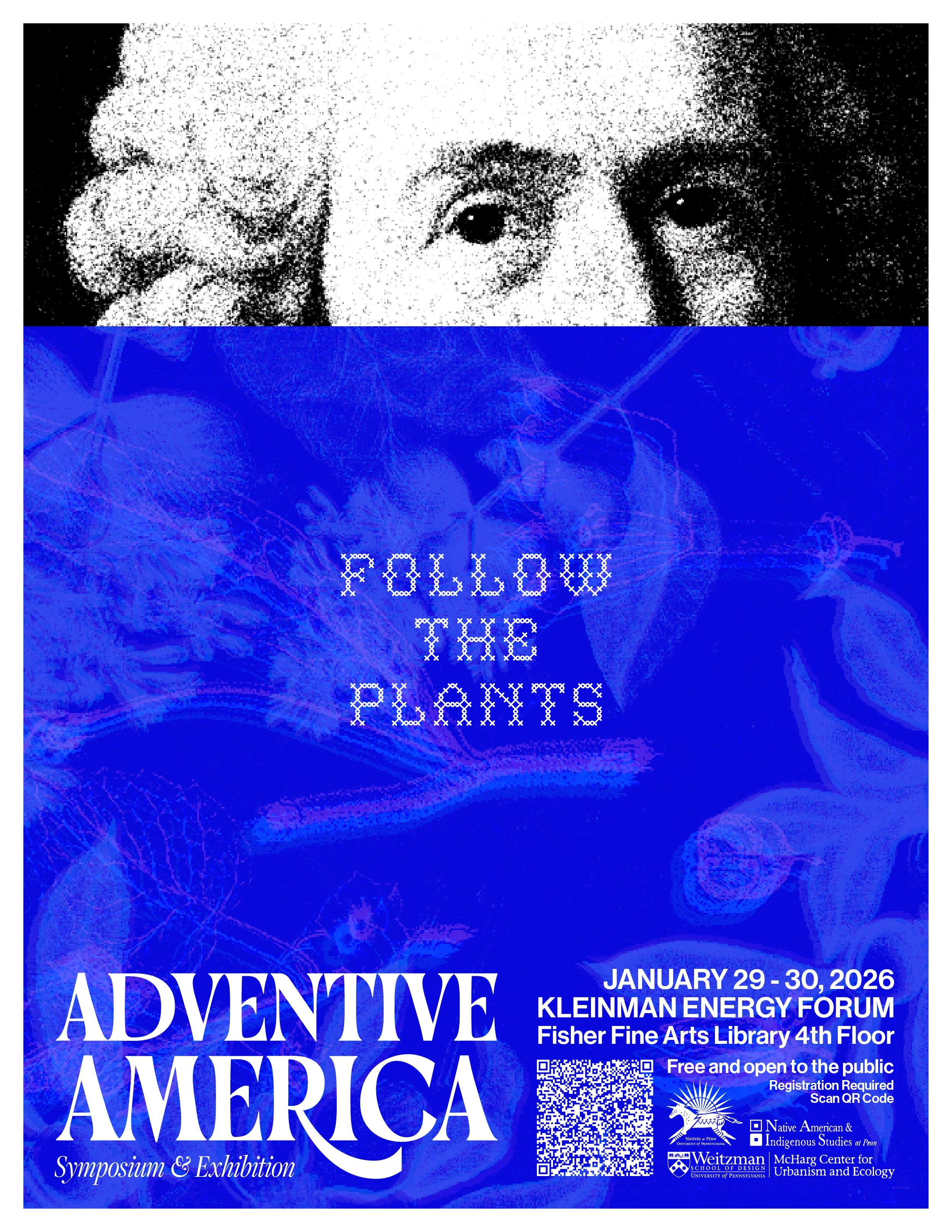
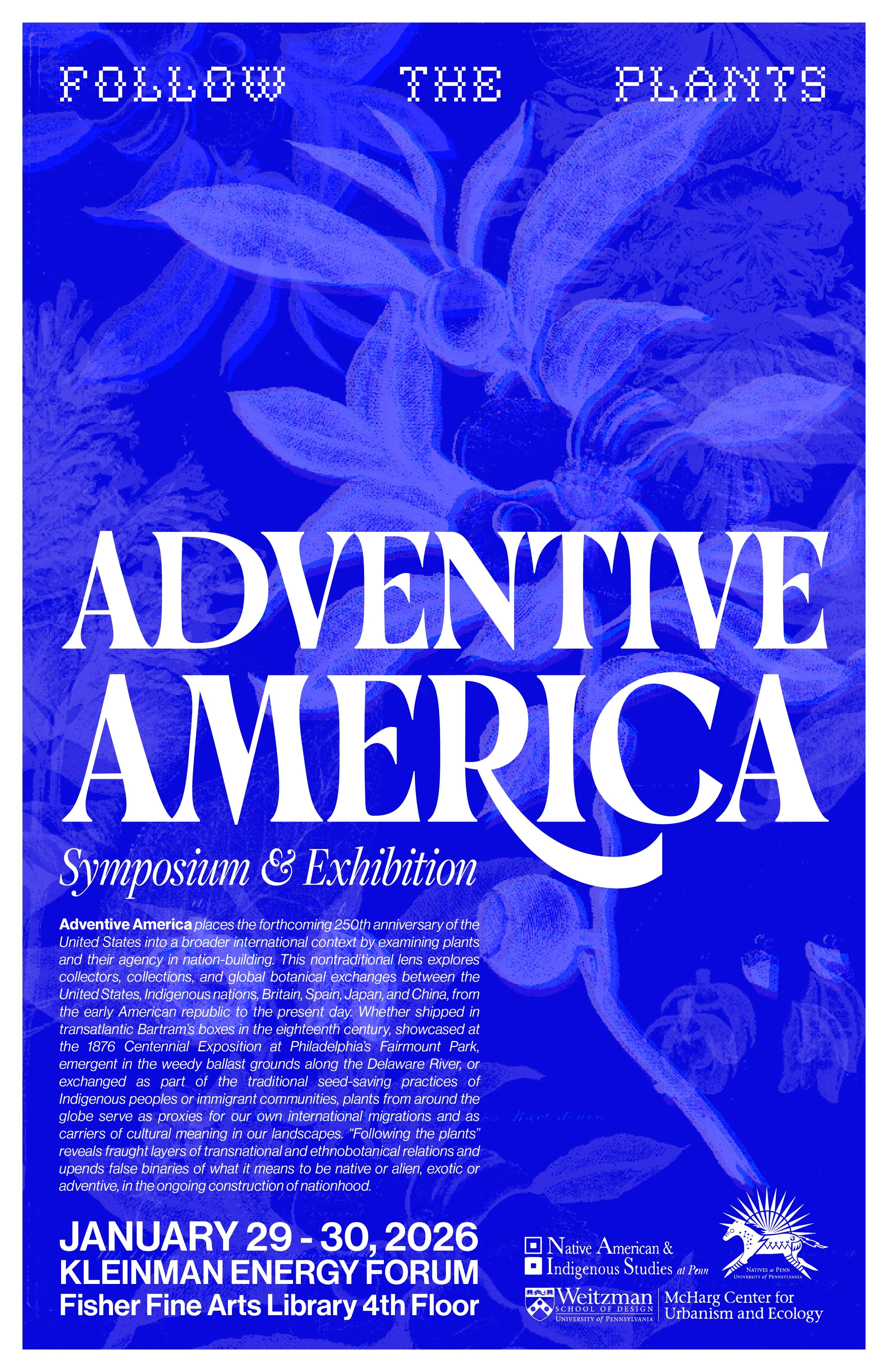
“Adventive America”
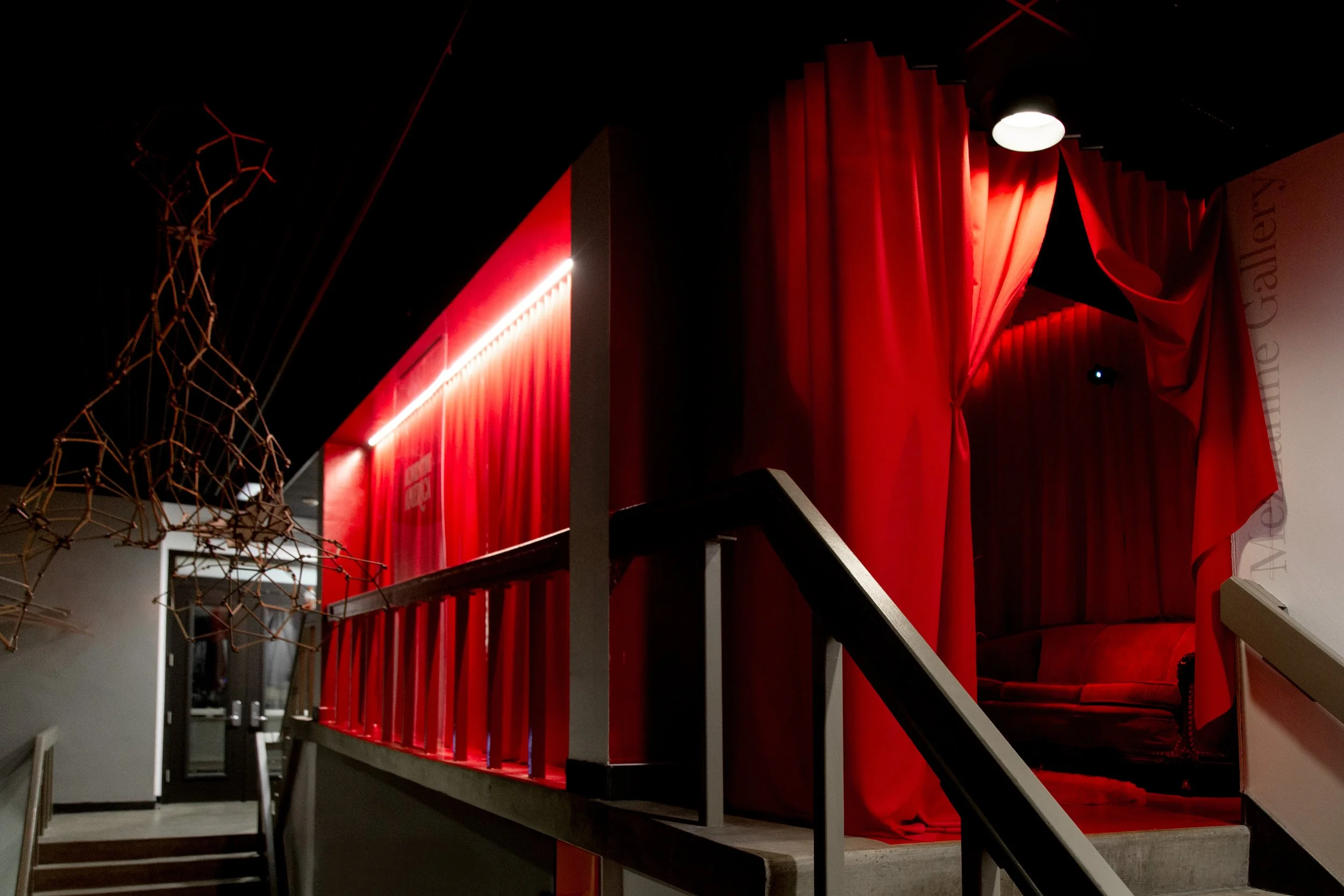
Photography: Studio Nobody
Adventive America Symposium & Exhibition
Mezzanine Gallery | Meyerson Hall, Stuart Weitzman School of Design, Philadelphia, PA
February 20 - May 19, 2026
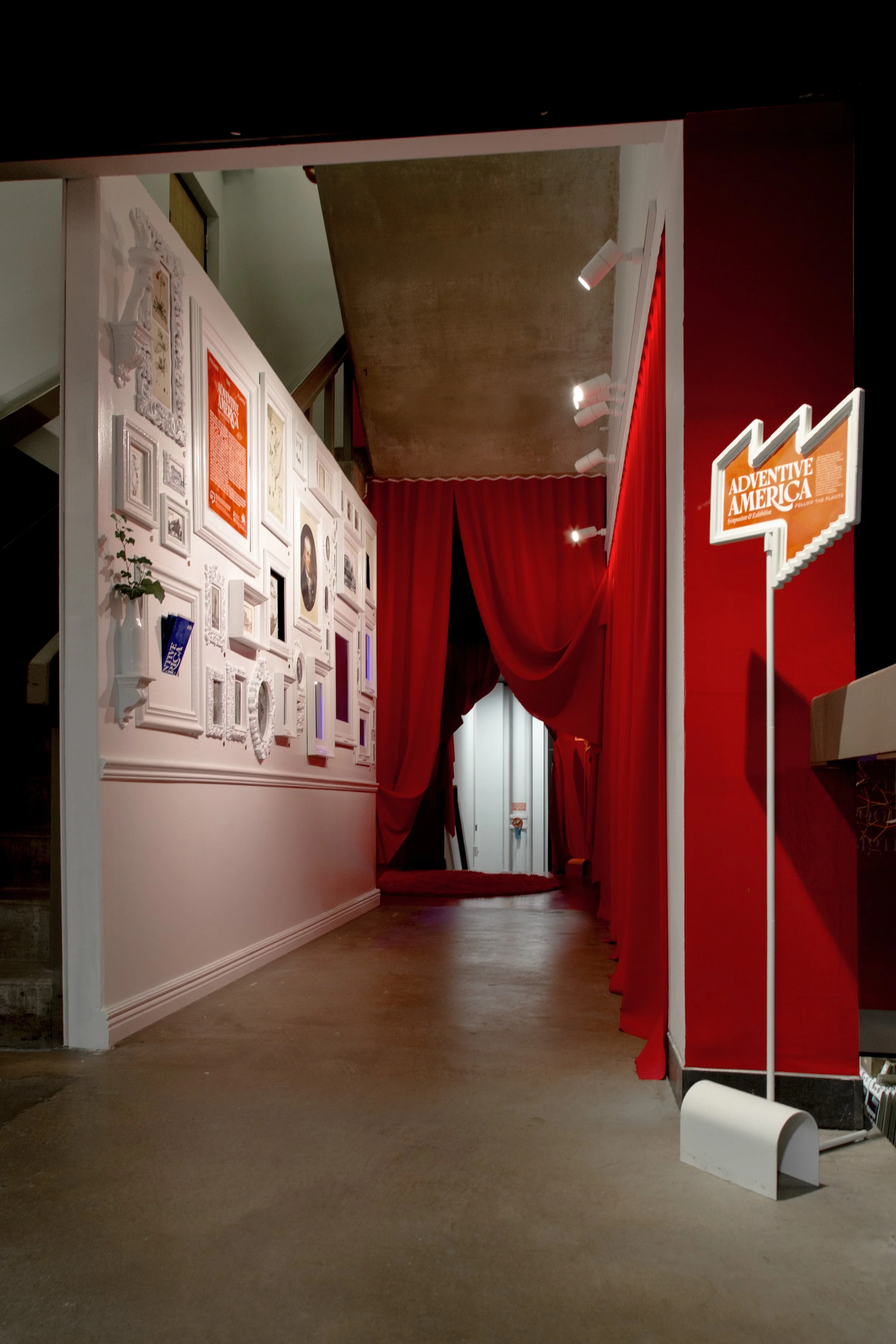
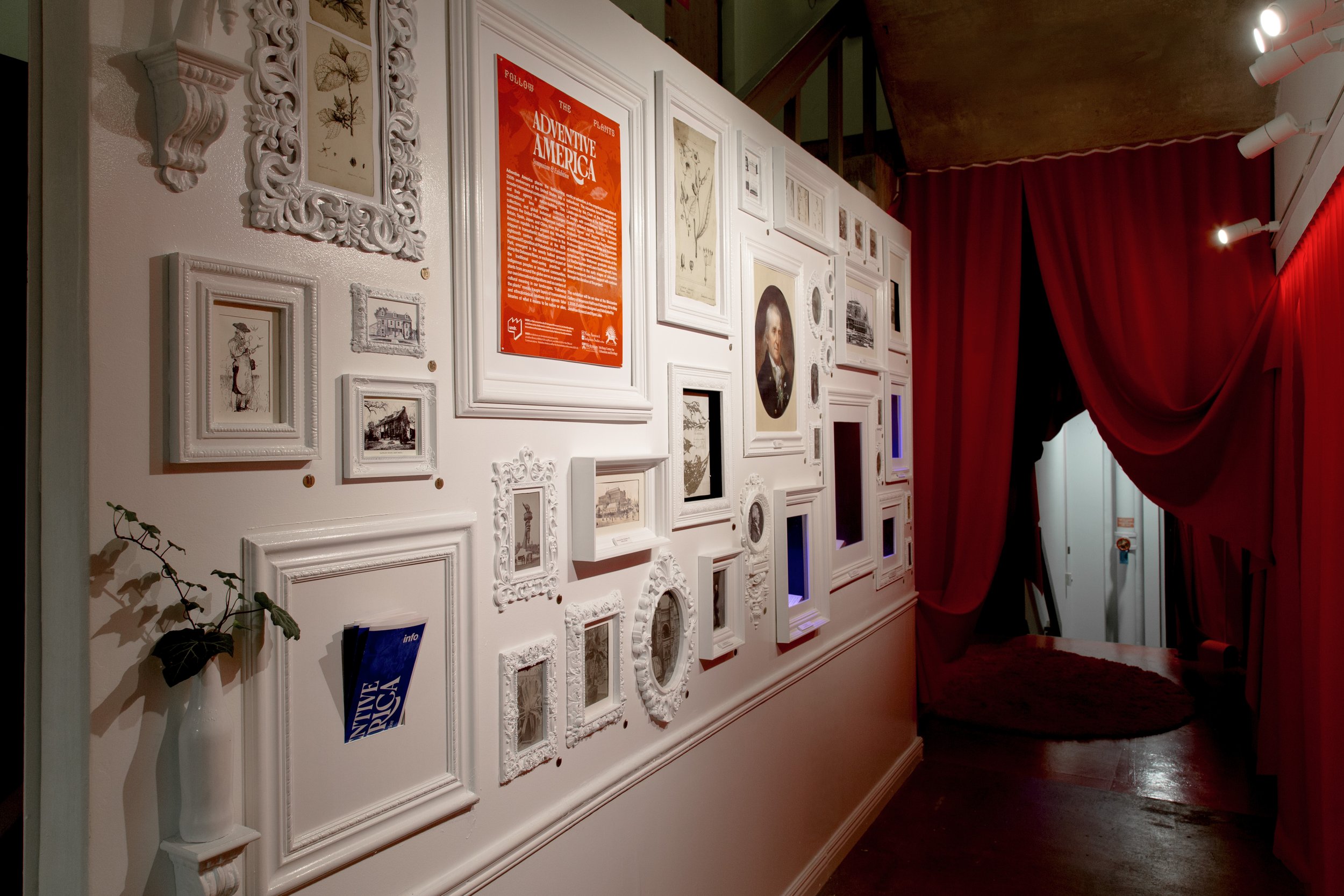
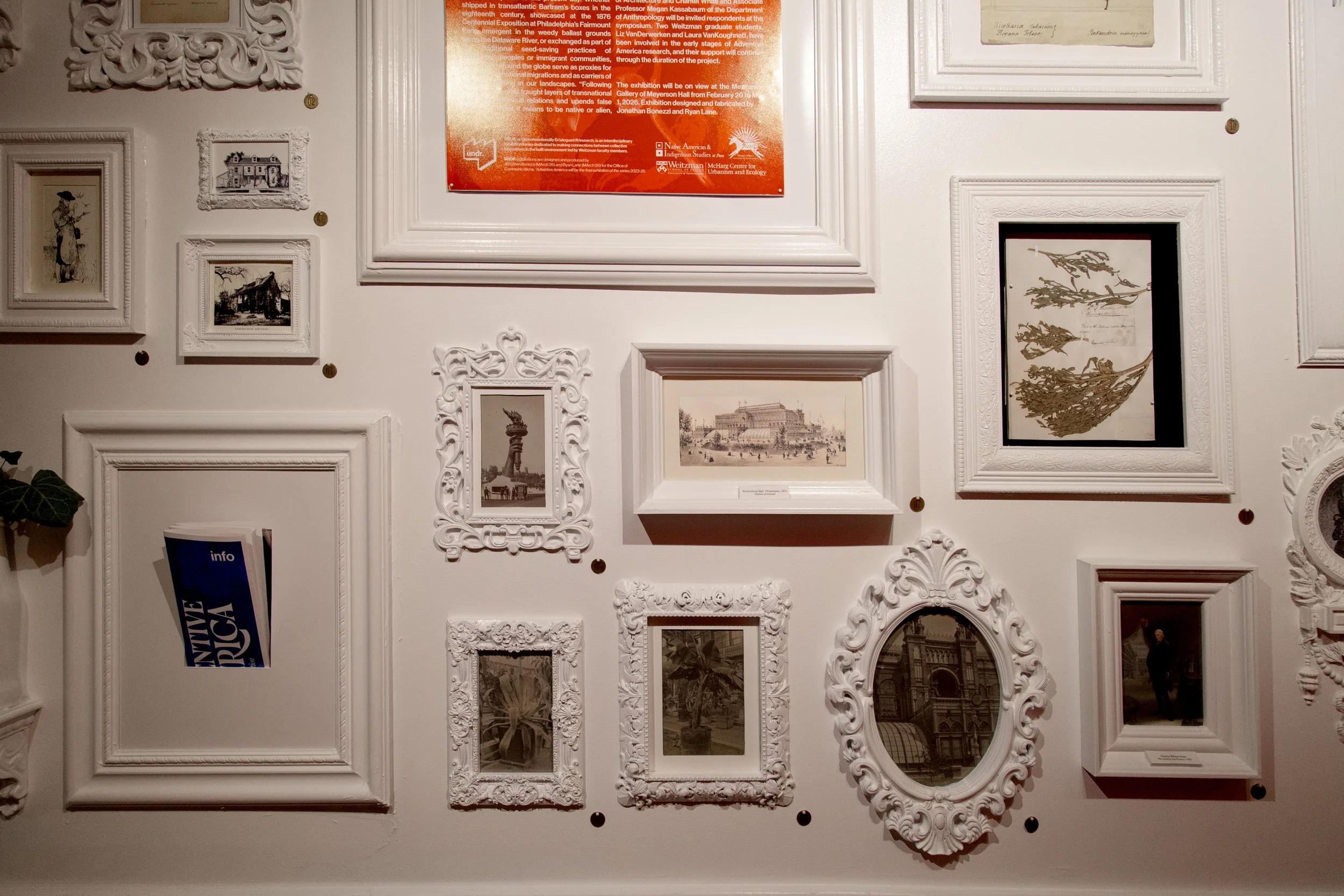
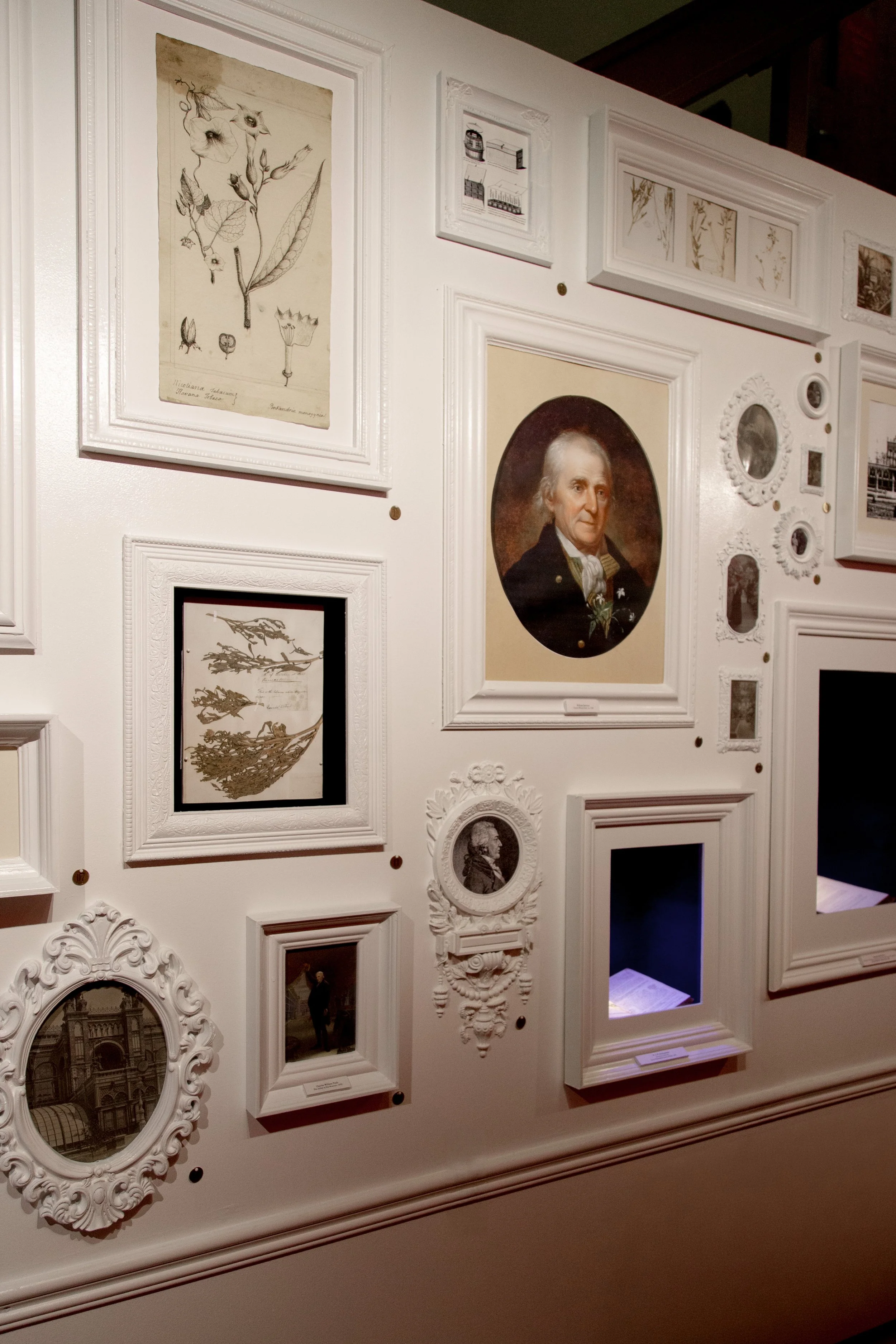
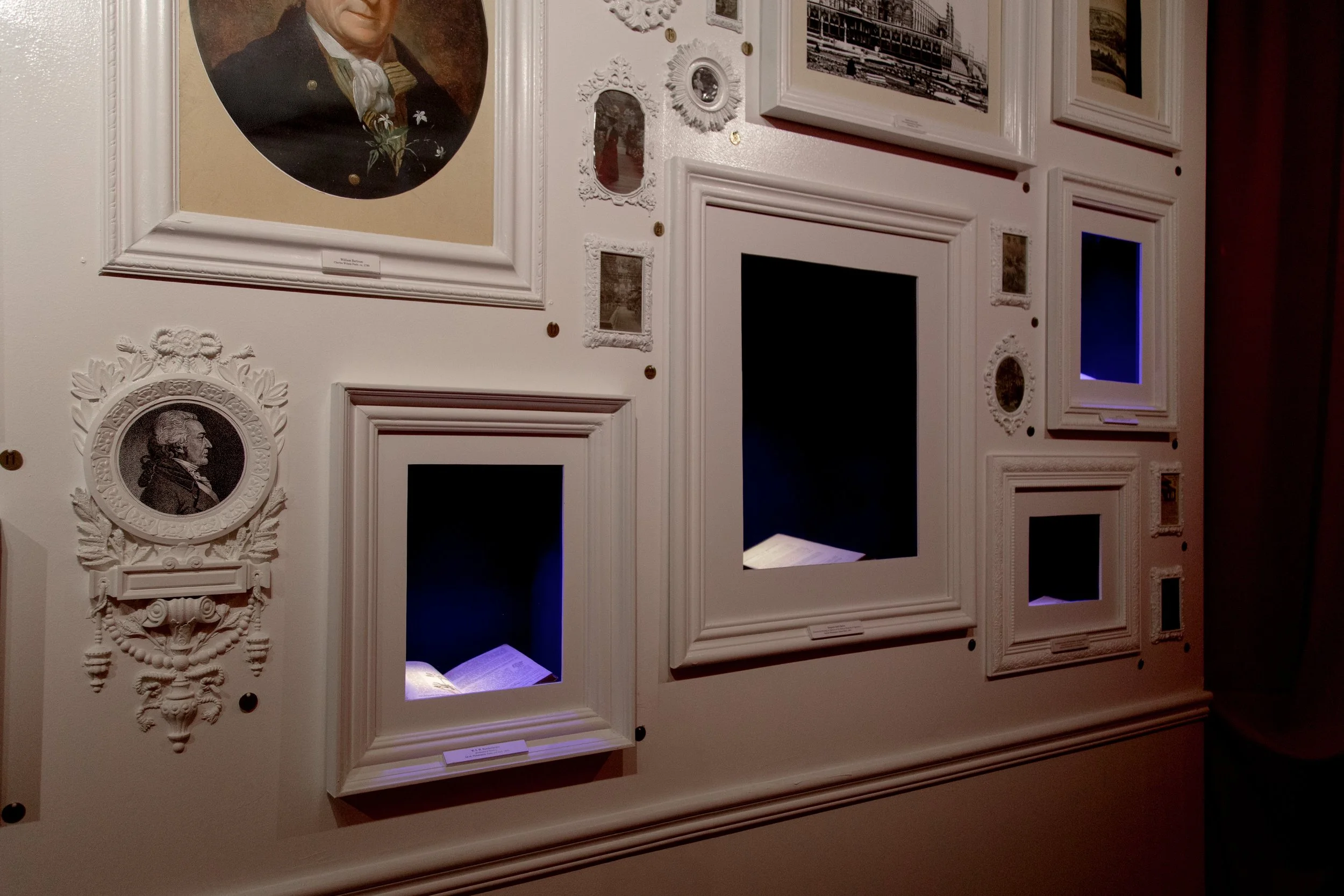
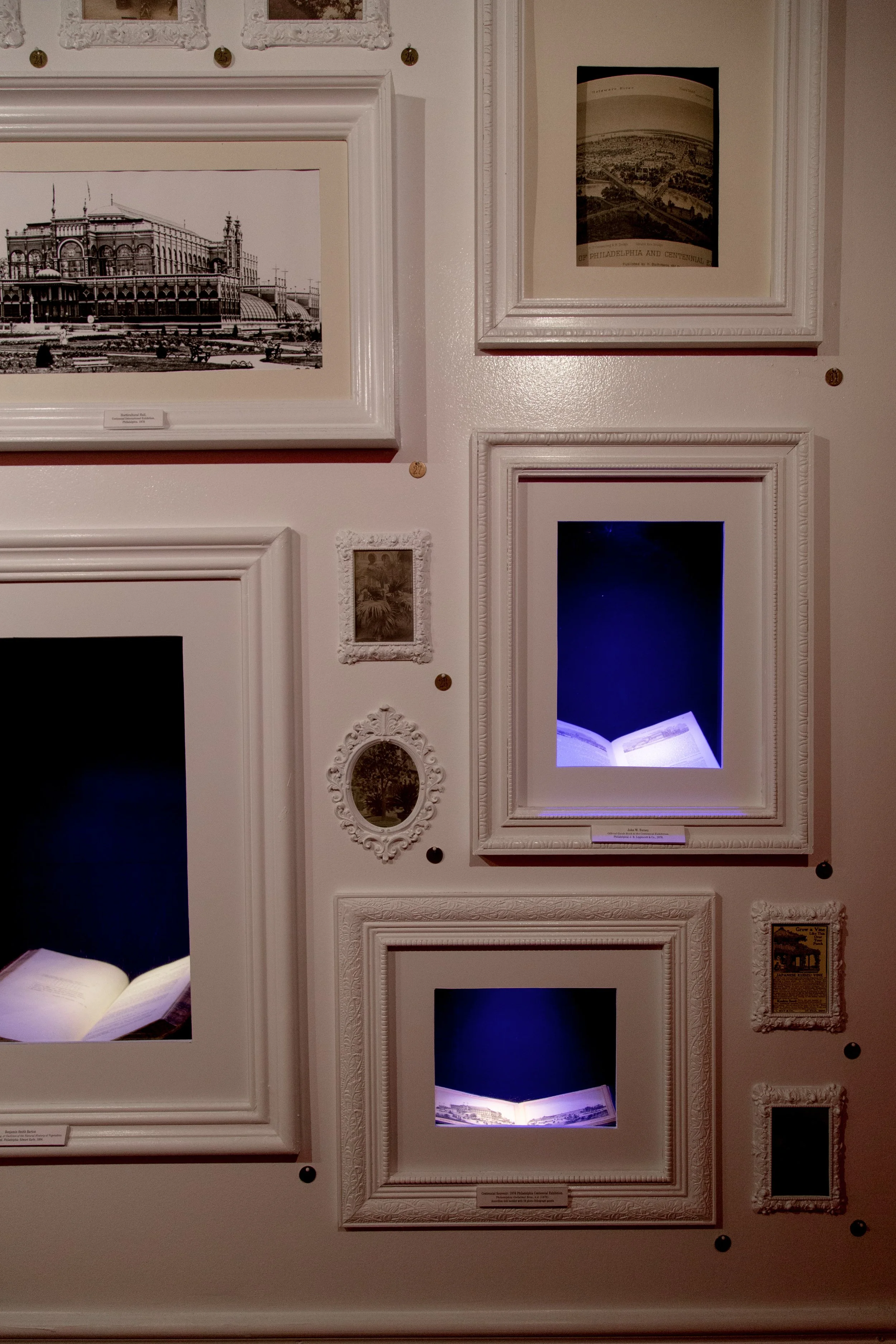
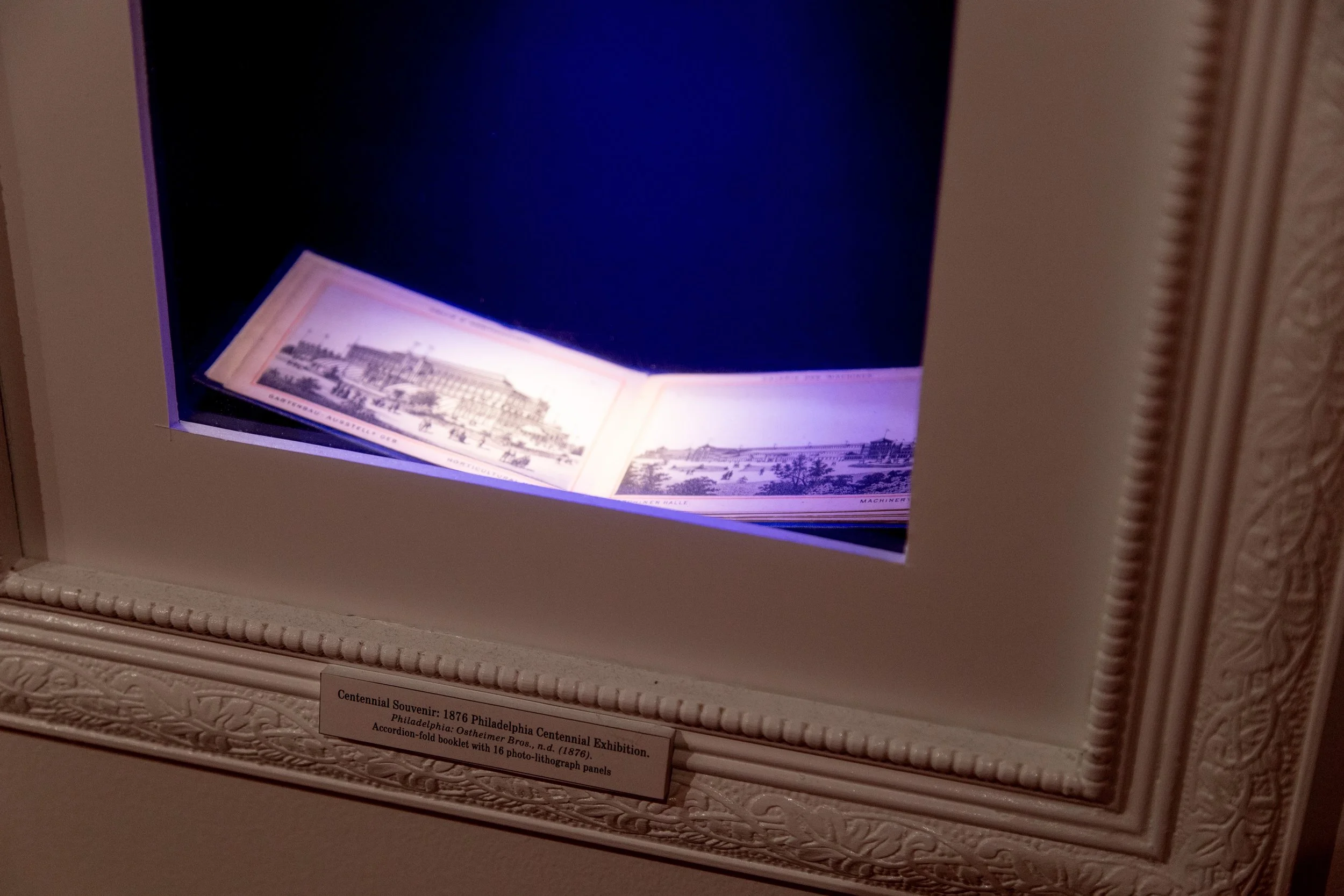
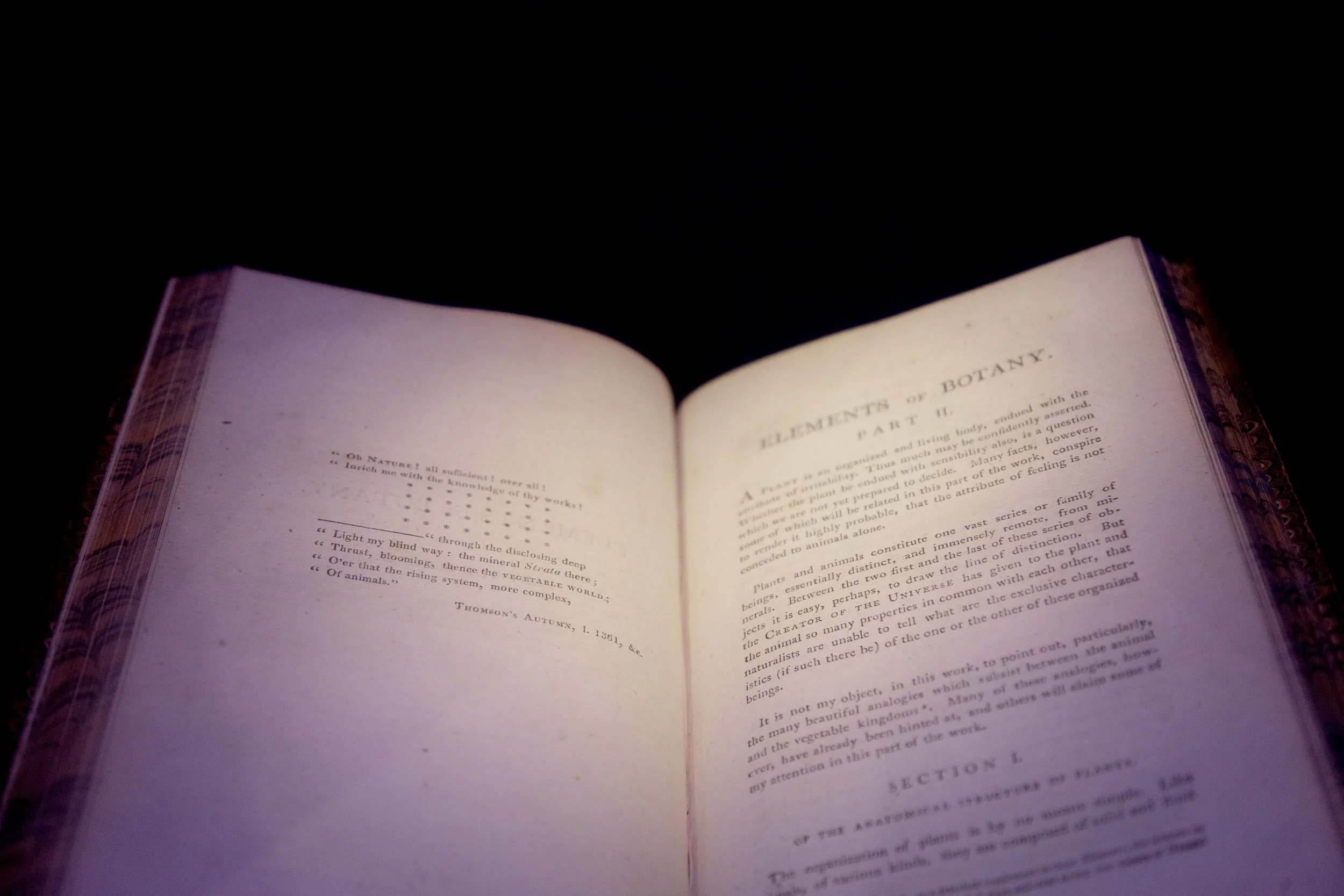
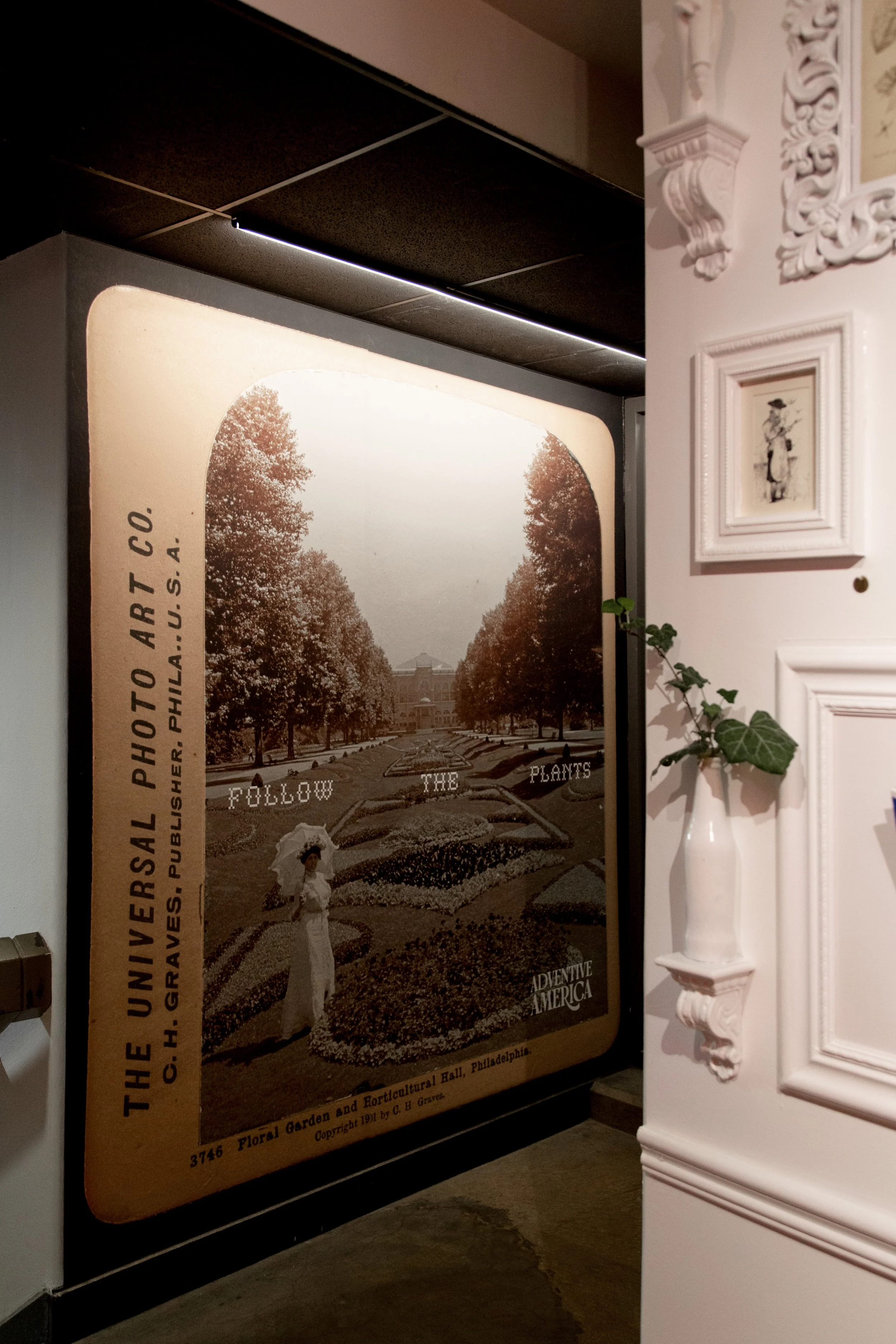
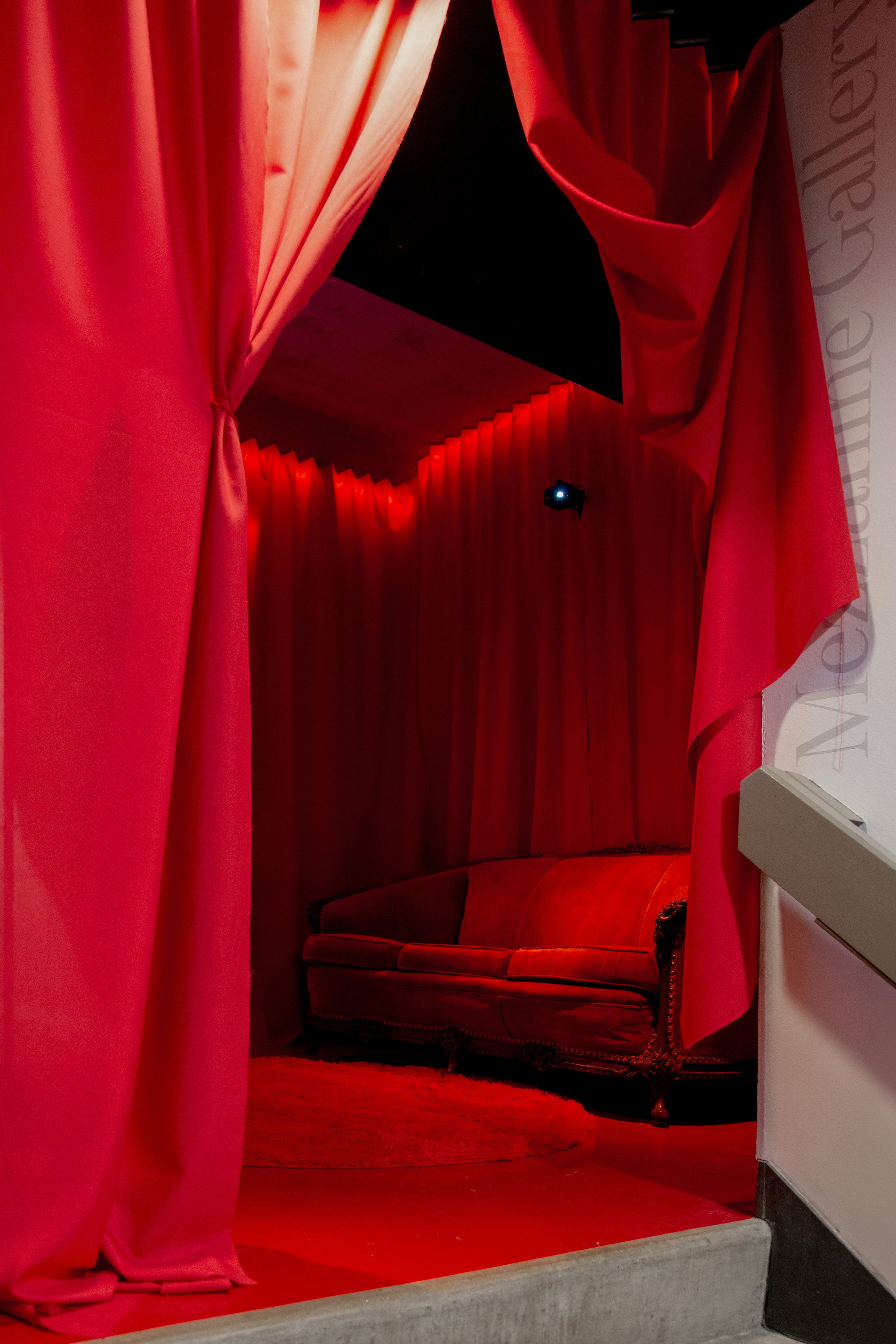
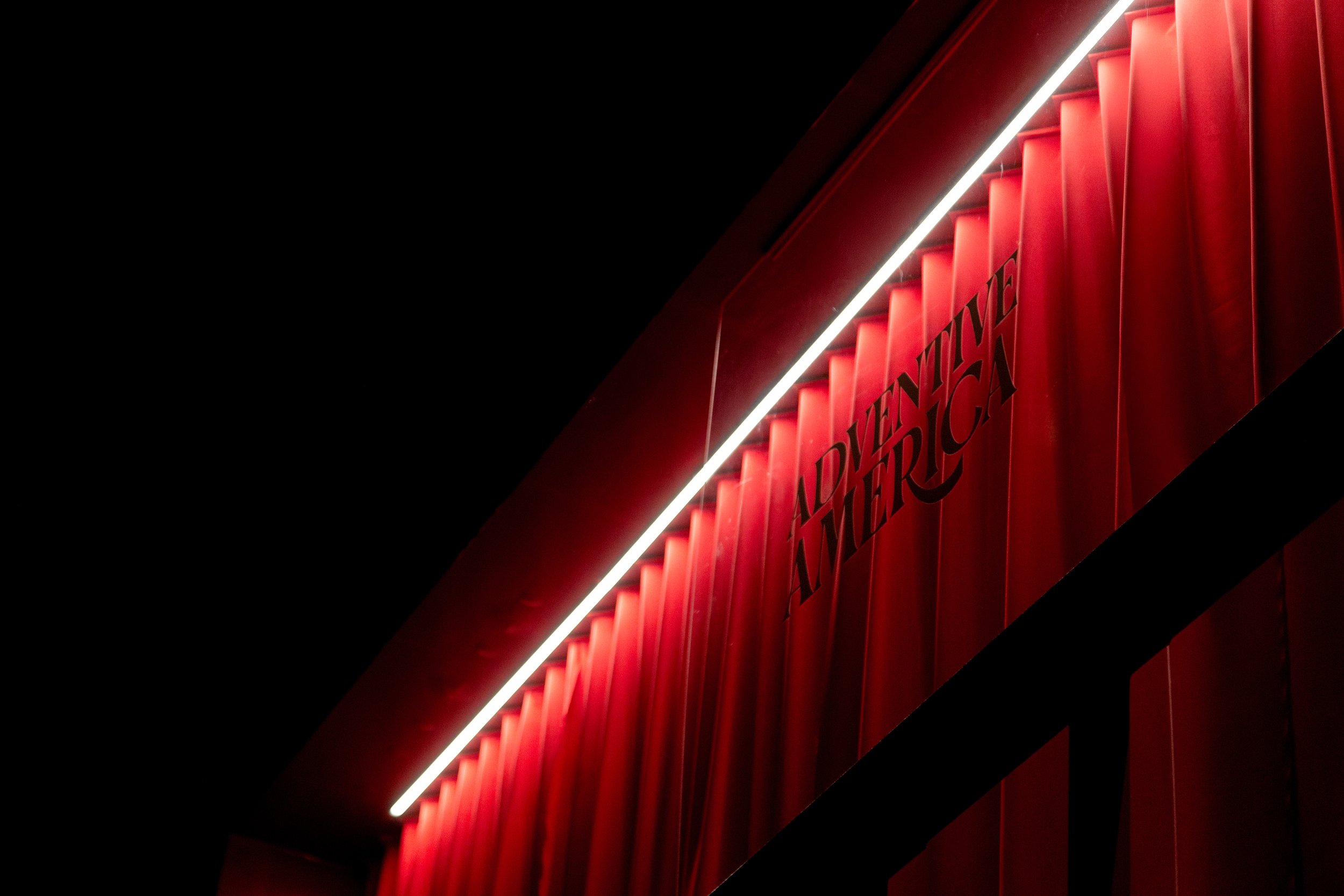
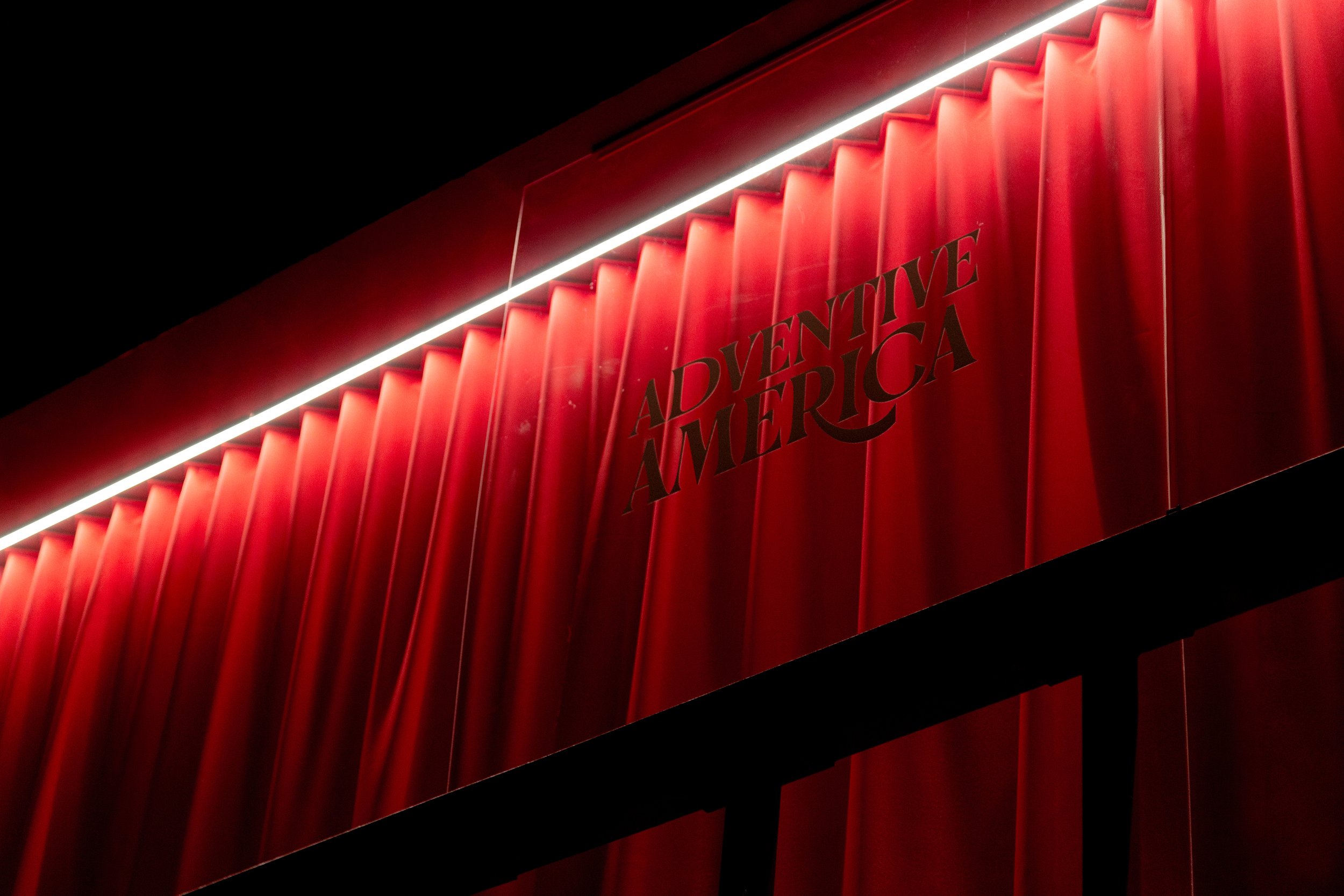
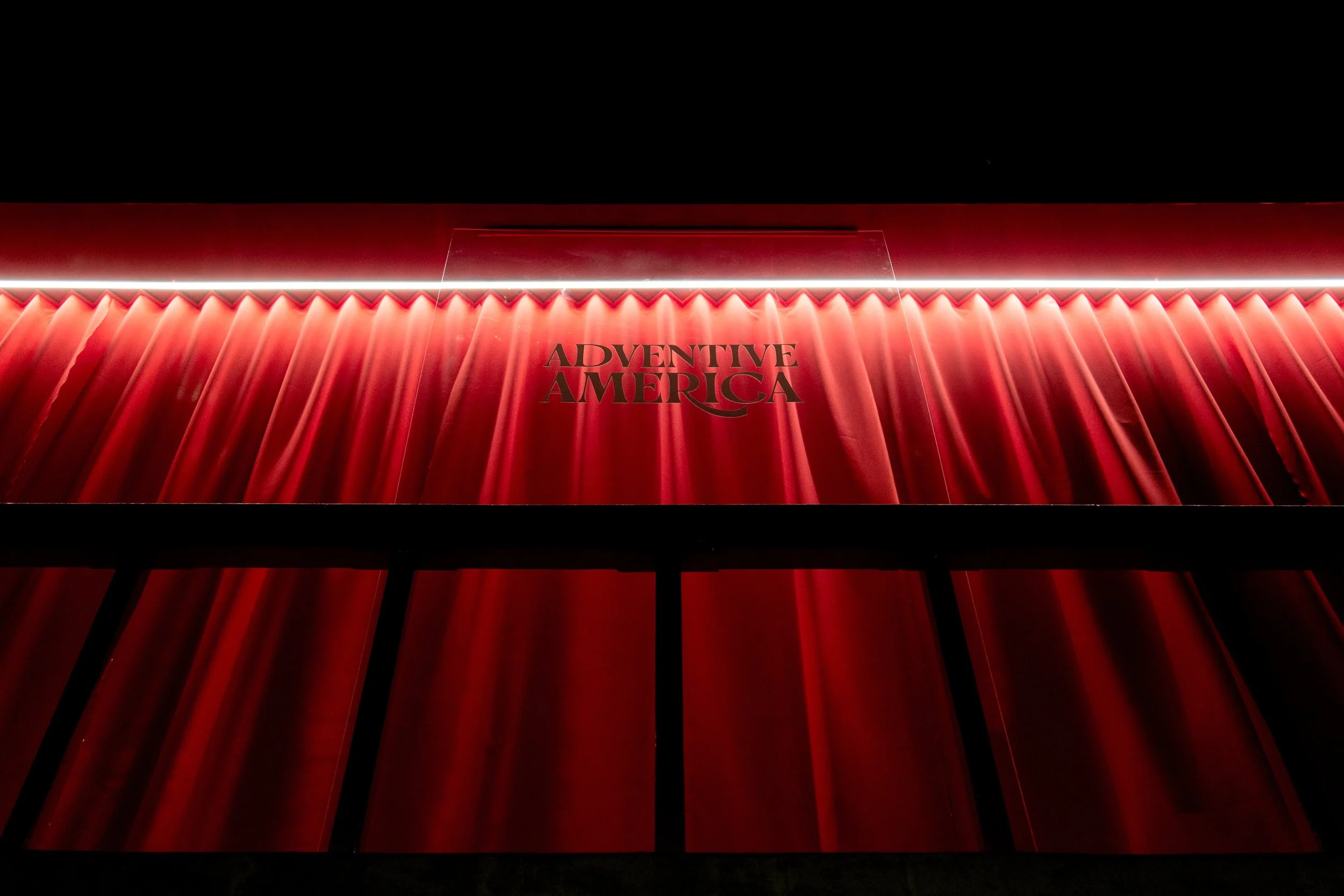
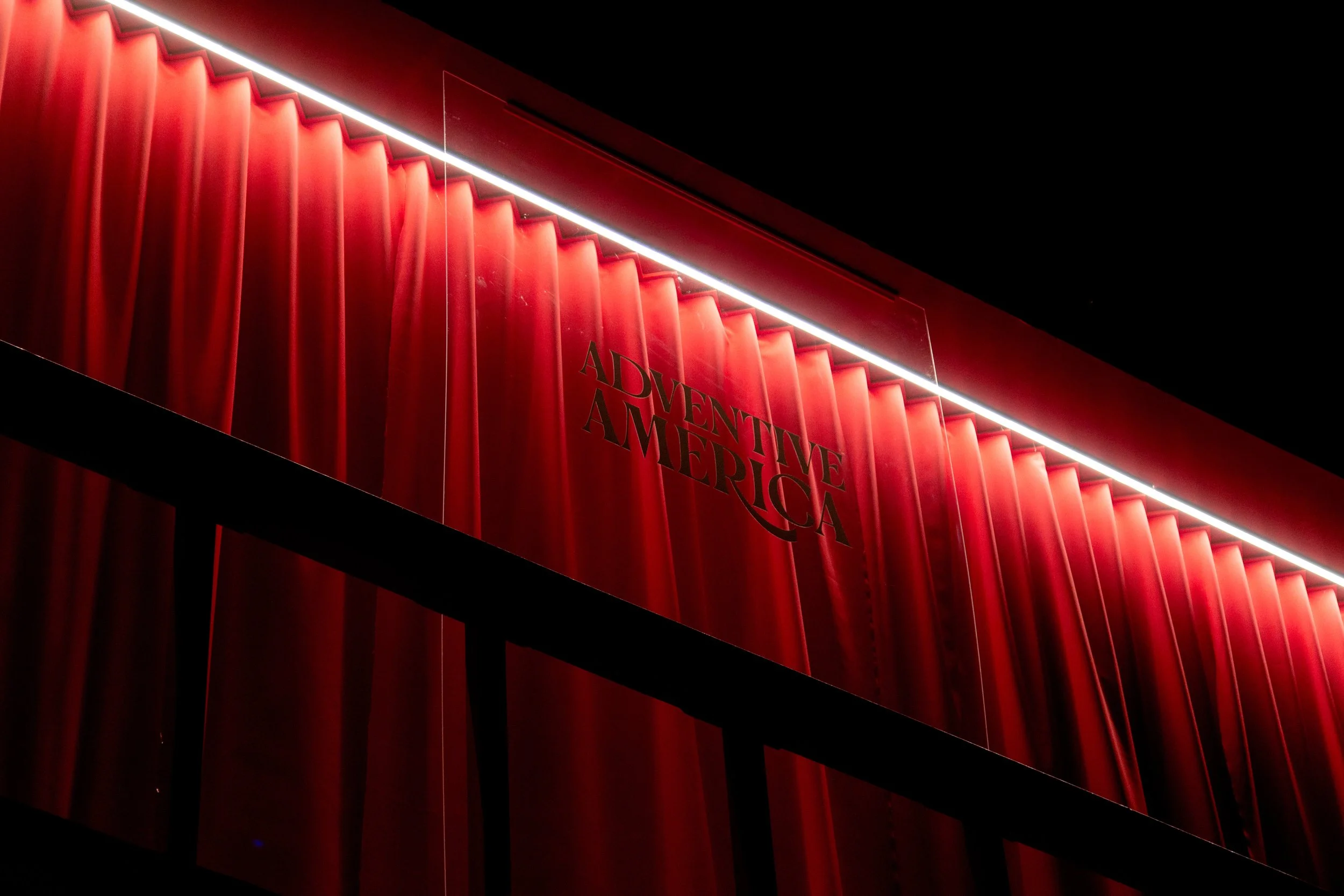
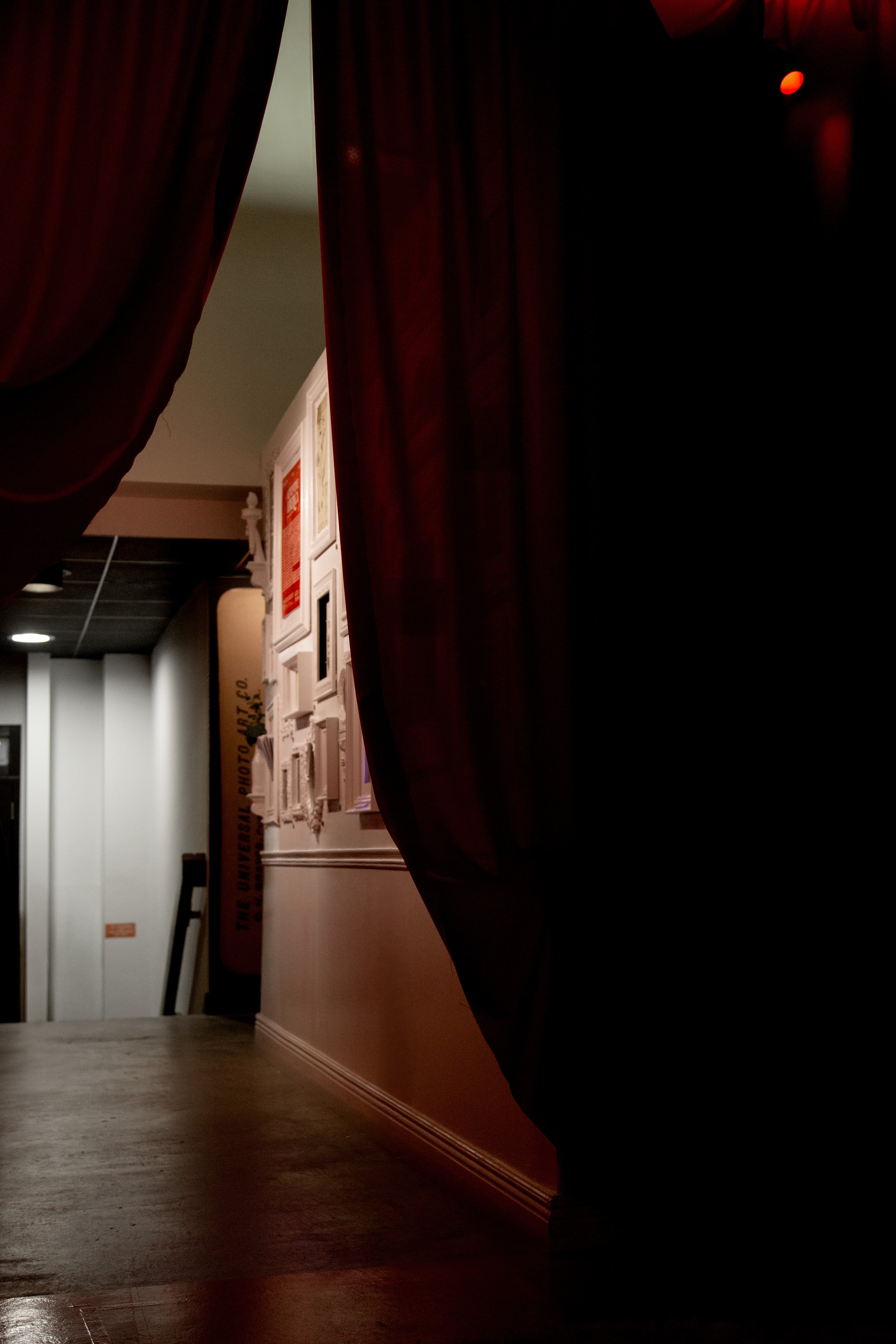
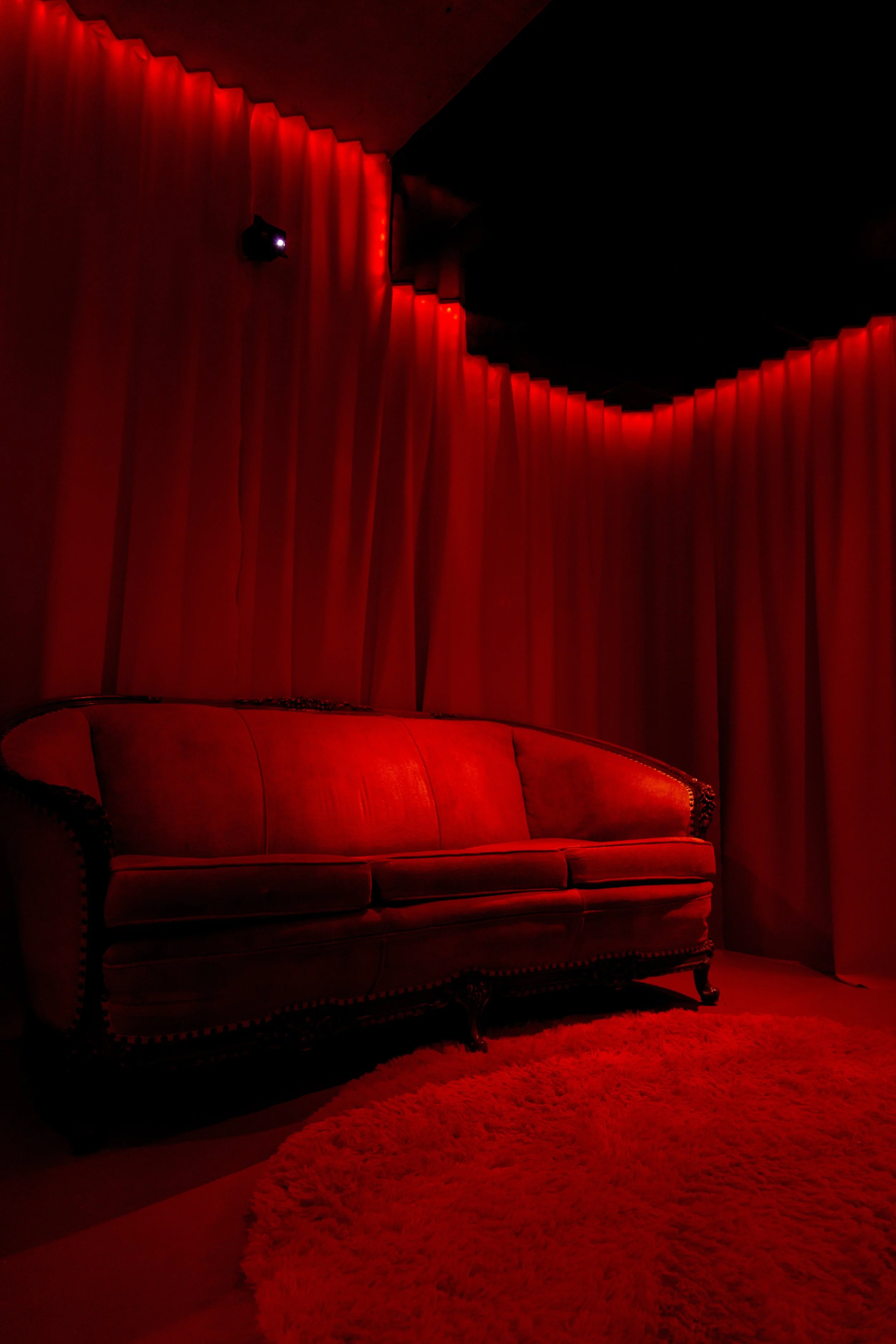
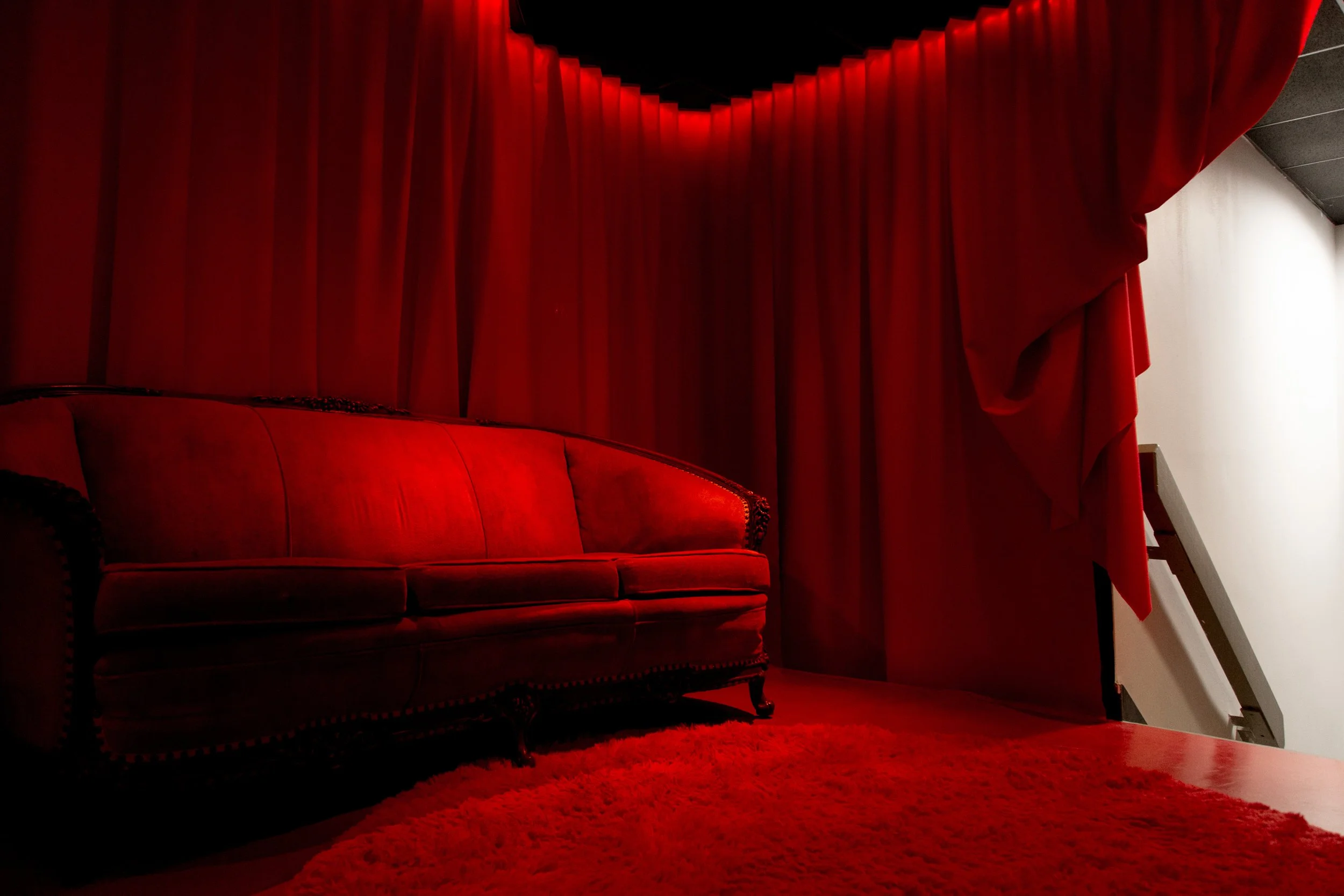
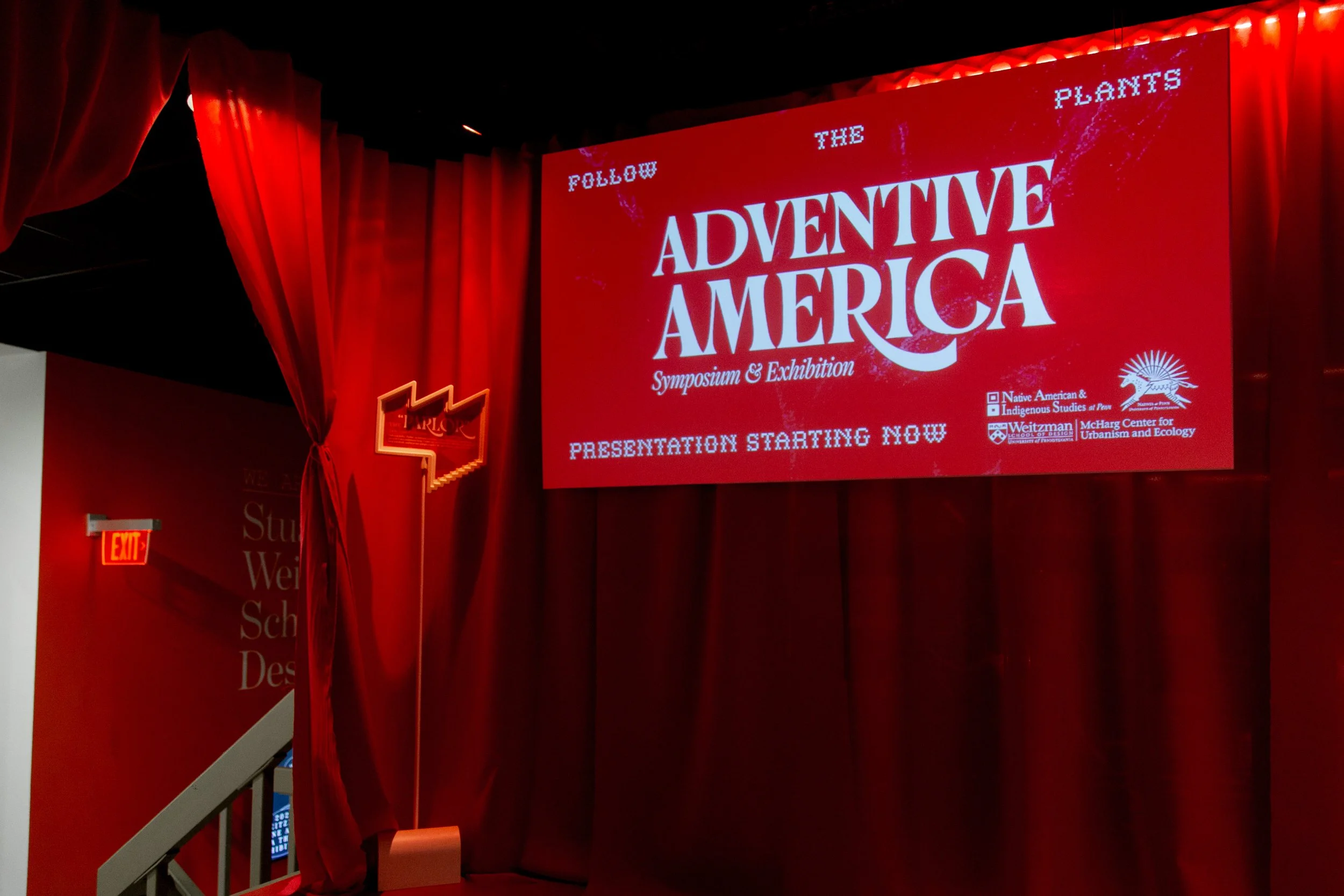
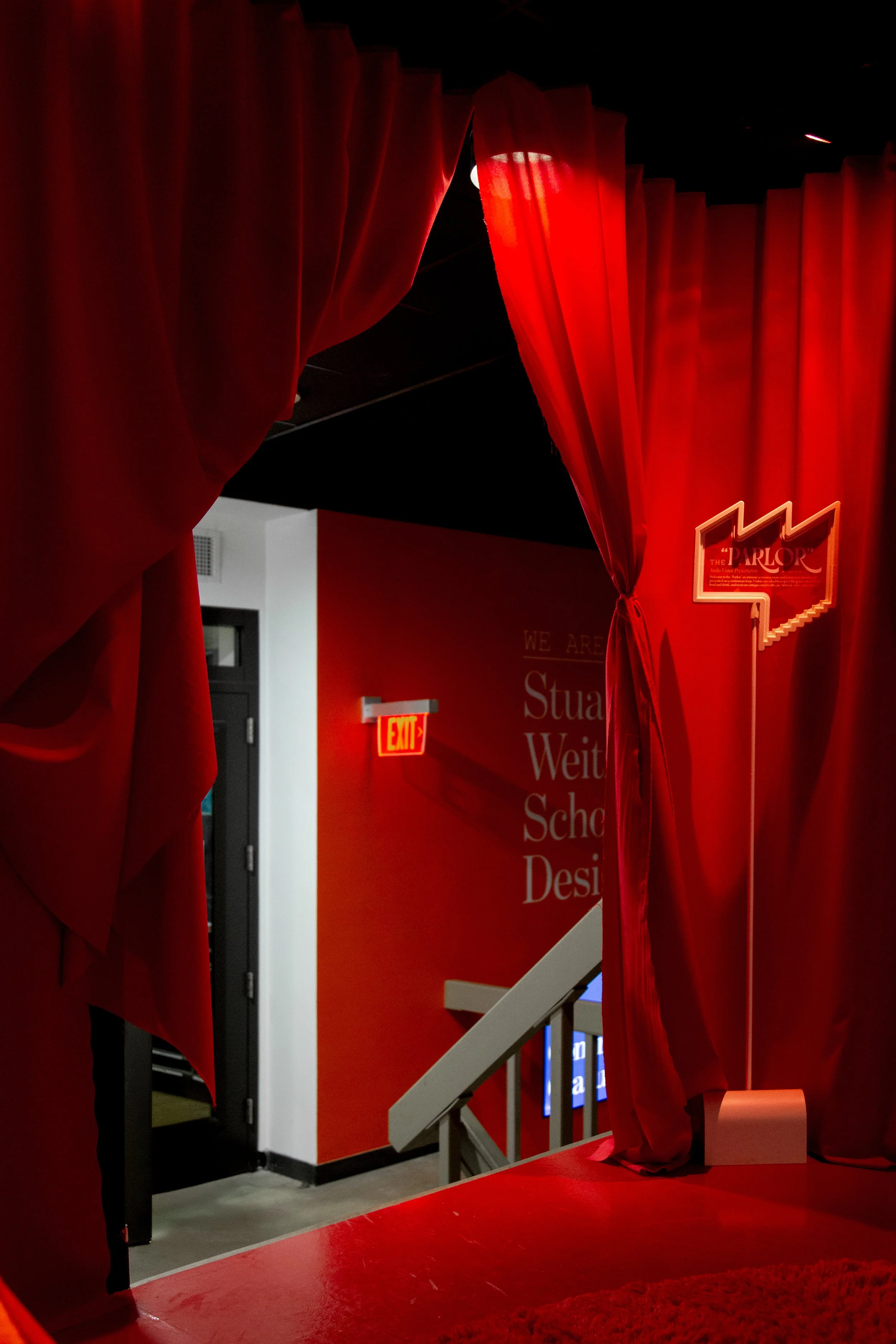
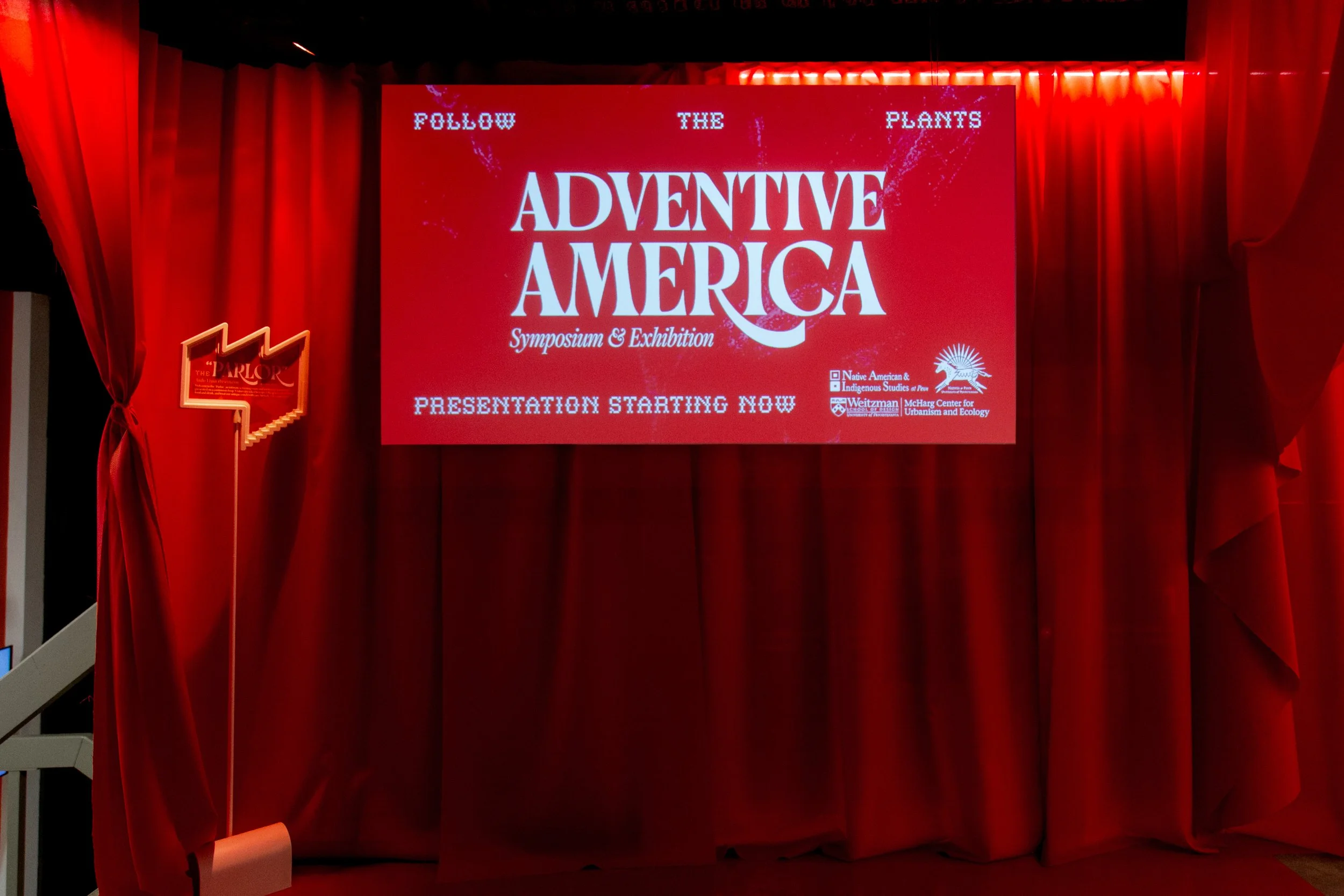
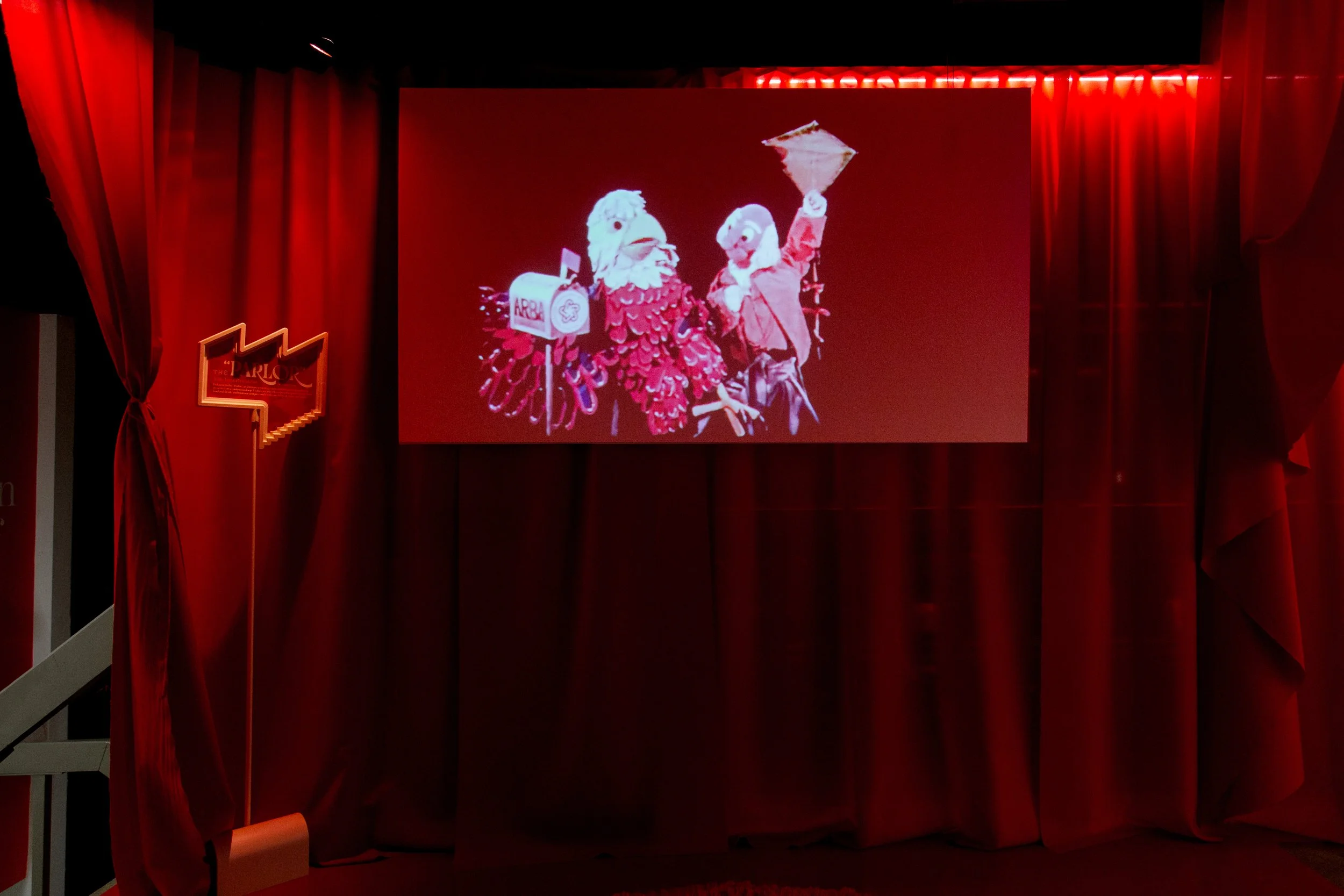
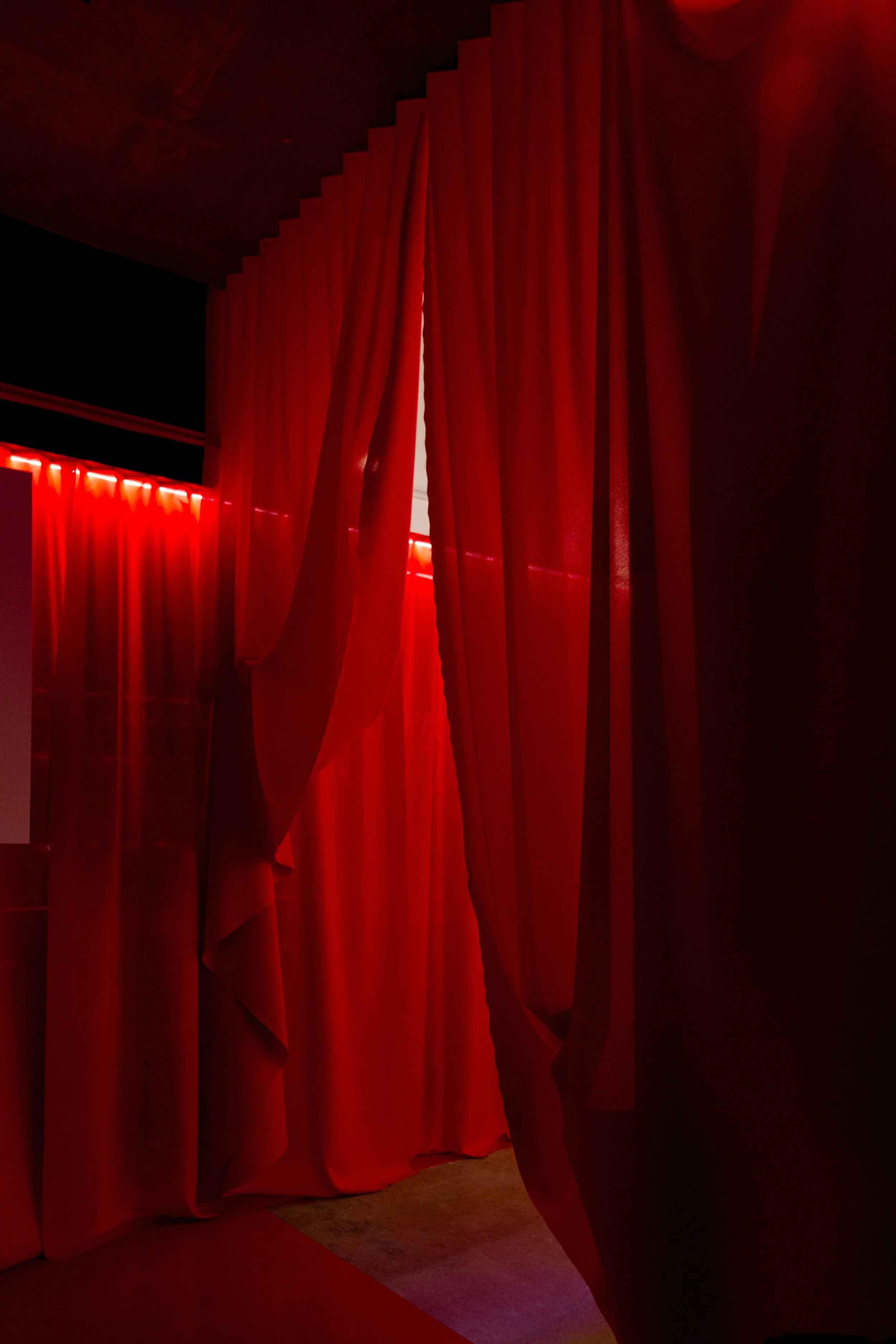
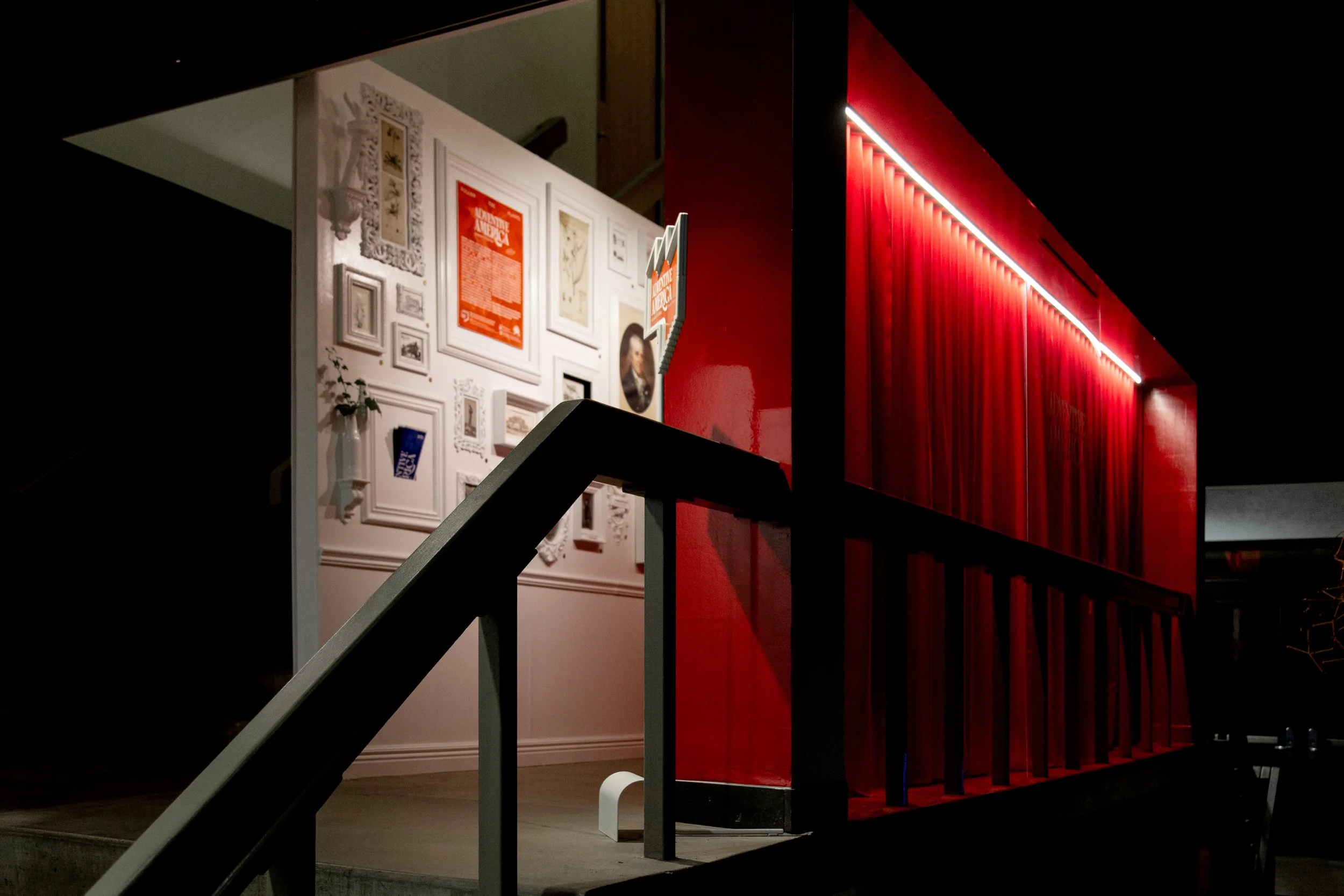
// Adventive America situates the 250th anniversary of the United States within a broader history of botanical exchange, exploring the role of plants in shaping national identity, cultural migration, and the evolving relationship between native and introduced species. Tracing these exchanges from the early American republic to the present, the exhibition examines how plants operate as both material evidence and cultural agents in the ongoing construction of nationhood. Drawing inspiration from Charles Willson Peale’s The Artist in His Museum, the exhibition was conceived as two interconnected environments: the Gallery and the Parlor. Red drapery transformed the exhibition space into a theatrical, nineteenth-century interior, establishing a dialogue between the historical conventions of collecting, displaying, and interpreting the natural world. The Gallery was organized around a Victorian-style picture wall, assembling historical imagery and archival materials into a layered narrative of early American botany and the 1876 Centennial Exposition in Philadelphia. Inset within the wall, blue velvet-lined display cases presented historical artifacts, including Barton's Elements of Botany and ephemera from the Centennial Exposition. Together, these elements reconsidered the museum as both a repository of knowledge and a constructed representation of history, inviting visitors to examine the relationships between botanical collecting, national identity, and the cultural significance of plants. Beyond the Gallery, the enclosed red screening Parlor offered a more immersive and contemplative experience.
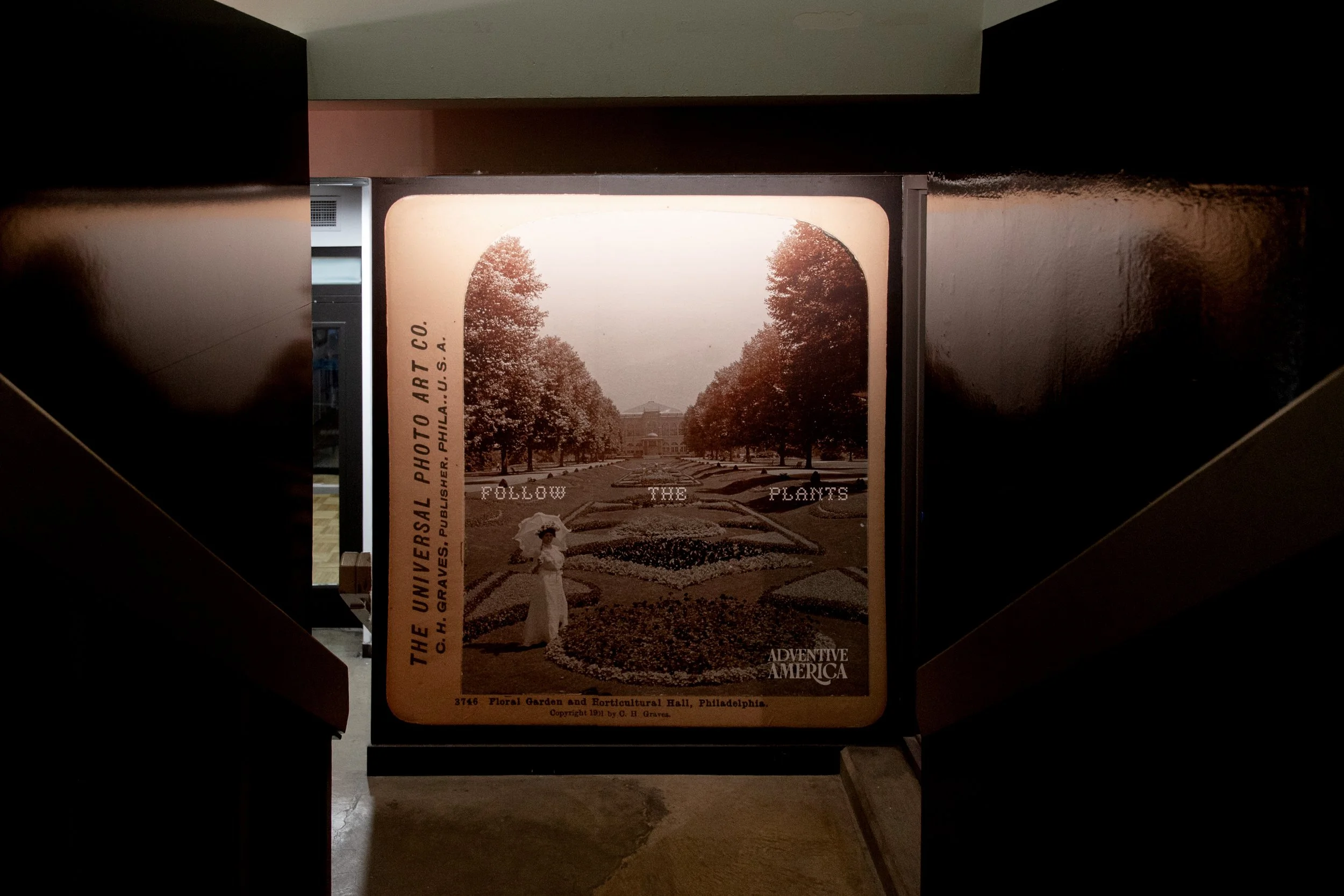
A 45-minute audiovisual presentation, Follow the Plants, unfolded across four historical moments—1776, 1876, 1976, and 2026—examining the evolving relationship between plants, people, and the construction of American national identity. Moving between the botanical exchanges of the early republic, the international spectacle of the 1876 Centennial Exposition, and the competing narratives of celebration and dissent surrounding the 1976 Bicentennial, the presentation ultimately arrived at contemporary questions of ecological belonging, invasive species, and the American landscape. Through the juxtaposition of archival imagery, historical documentation, and moving images, the Parlor extended the exhibition's central inquiry beyond the collection and display of objects, reconsidering how histories of migration, land, and nationhood continue to shape our understanding of what it means to be native or foreign. Together, the Gallery and Parlor established complementary modes of engagement: one through the physical arrangement of objects and images, the other through the temporal and narrative possibilities of moving images. By adopting and reinterpreting the visual language of the nineteenth-century museum, the exhibition positioned the act of display itself as a means of questioning how histories of nature, migration, and nationhood are collected, constructed, and remembered.
installation team: Jonathan Bonezzi, Ryan Lane, Caitlyn Wolford